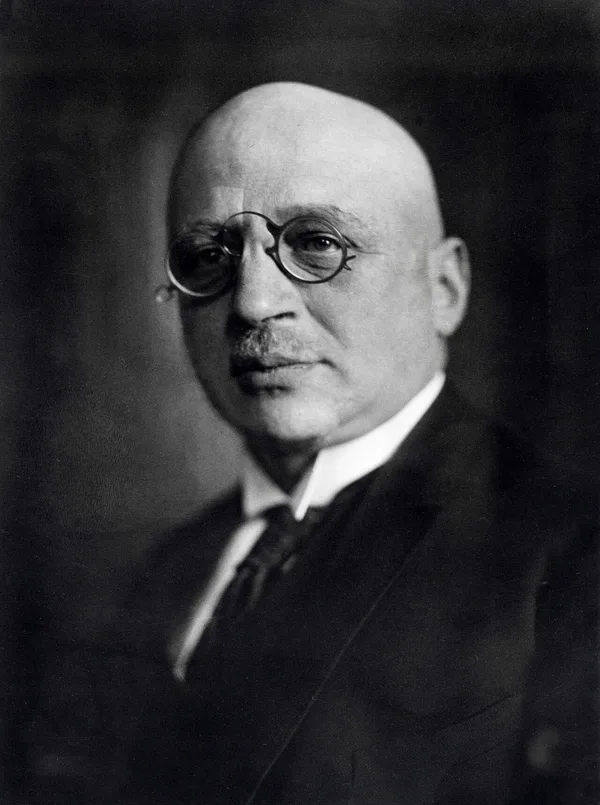
Unknown author · Public domain
Fritz Haber
German chemist and receiver of the Nobel prize
1868 – 1934aged 65
Haber's process for synthesizing ammonia from nitrogen and hydrogen gas made industrial fertilizer possible at a scale that today feeds roughly half the world's population, work that won him the 1918 Nobel Prize in Chemistry. He is also, inescapably, the scientist who pioneered chemical warfare, personally overseeing the first large-scale chlorine gas attack at Ypres in 1915; the poison-gas research his institute pursued was later adapted into Zyklon B, used to murder more than a million Jews in the Holocaust. A German nationalist who converted to Lutheranism as a young man, Haber was forced out of his post when the Nazis took power in 1933 and died in exile the following year, having accepted an invitation from Chaim Weizmann to lead a research institute in Mandatory Palestine that he did not live to take up.